16 November 2026
Can misted double glazing be cleared without replacing the unit?
Presented by @homelockjournal
Understanding misted double glazing
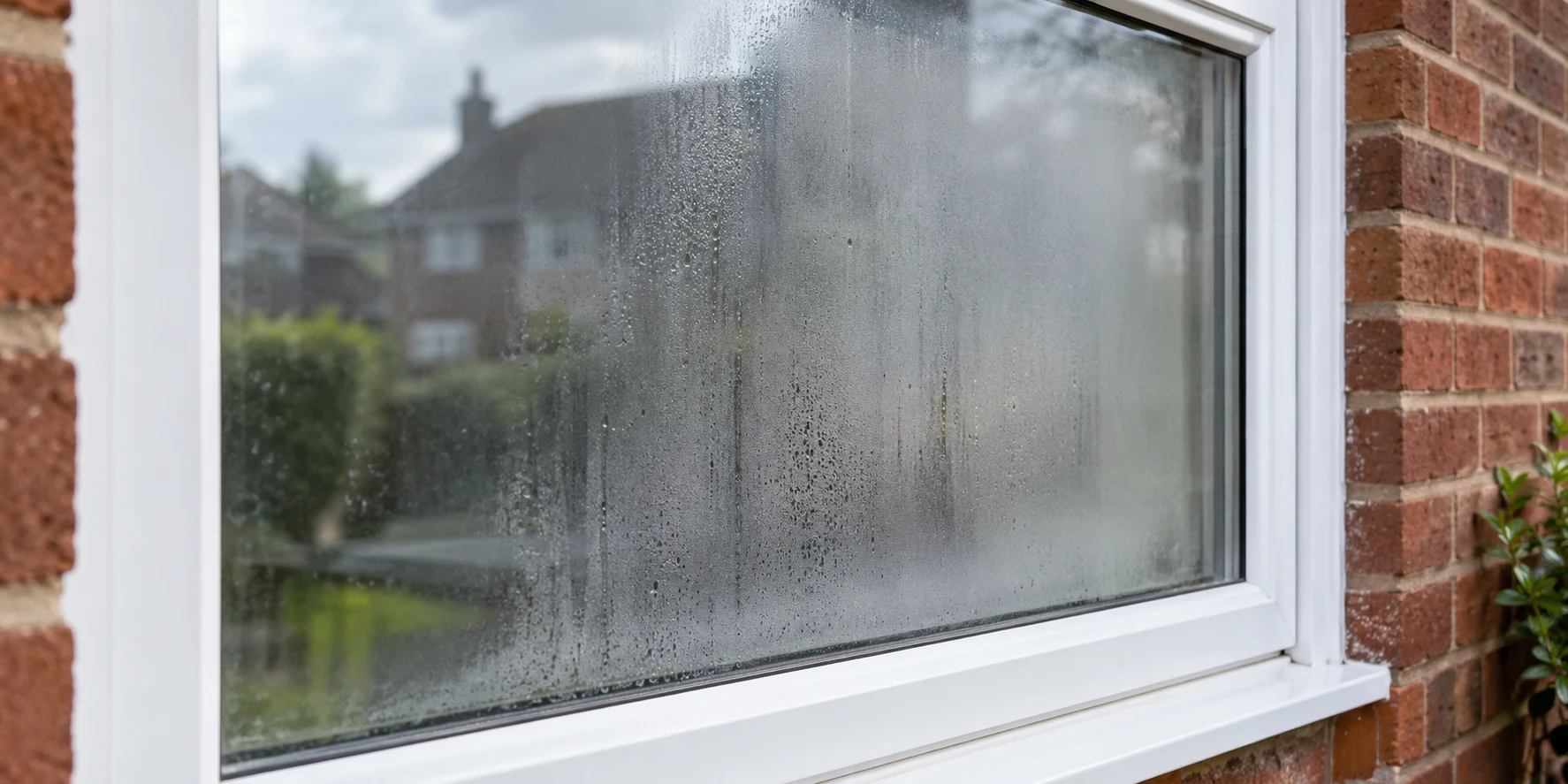
Misted double glazing is a common frustration in older homes. The foggy appearance between the two panes of glass signals that the insulating glass unit has lost its seal. When the perimeter seal fails, moisture-laden air enters the space between the panes, and as temperatures change, that moisture condenses into droplets or a mist. Many homeowners assume the only remedy is a full replacement of the sealed unit. In some cases, that is the best route. But there are scenarios where the mist can be cleared without replacing the entire window.
The key lies in understanding how a sealed unit works. A typical double-glazed window consists of two panes of glass separated by a spacer bar and sealed around the edges with a primary and secondary seal. The gap between the panes is filled with air or an inert gas such as argon to improve thermal performance. The whole assembly is designed to stay airtight for the life of the unit. When the seal degrades - often due to age, thermal stress, or poor installation - moisture enters and the unit mists up.
Is clearing the mist always possible?
In most modern sealed units, the answer is no. The construction is such that the two panes and the spacer form a single factory-made component. Opening that assembly without breaking the glass or damaging the spacer is rarely practical. Even if you could separate the panes, cleaning the interior surfaces and re-sealing them to factory standards is extremely difficult. The result is often a unit that looks better for a short time but quickly mists again because the new seal is not as durable as the original.
However, there are older windows - particularly those from the 1980s and early 1990s - that were built with a different method. Some of these units have a removable internal strip or a design that allows the panes to be separated. If you have such a window, it may be possible to clean the interior surfaces and replace the desiccant (the moisture-absorbing material inside the spacer) before re-sealing the unit. This is not a quick DIY job. It requires careful disassembly, specialised cleaning agents, and a reliable sealant that can withstand years of temperature changes and UV exposure.
When replacement is the better option
For the vast majority of modern double-glazed windows, replacement of the sealed unit is the only lasting cure. The cost of a new unit has fallen significantly over the past two decades, and the performance - both thermal and acoustic - is much better than what you could achieve by trying to restore an old one. A replacement unit also comes with a guarantee, something you do not get with a DIY repair.

There are also safety considerations. Many modern windows use toughened glass for the inner pane, especially in larger or low-level windows. Toughened glass cannot be cut or drilled after manufacture, and it is not straightforward to handle without specialist equipment. If you try to separate a unit that uses toughened glass, you risk shattering it. Even if you manage to get the panes apart, re-assembling them with the correct edge pressure and seal is critical for the unit to be safe and effective.
Signs that the seal has failed
Before you decide on a course of action, confirm that the seal has indeed failed. Common signs include:
- Condensation or mist between the panes that does not clear when the room warms up.
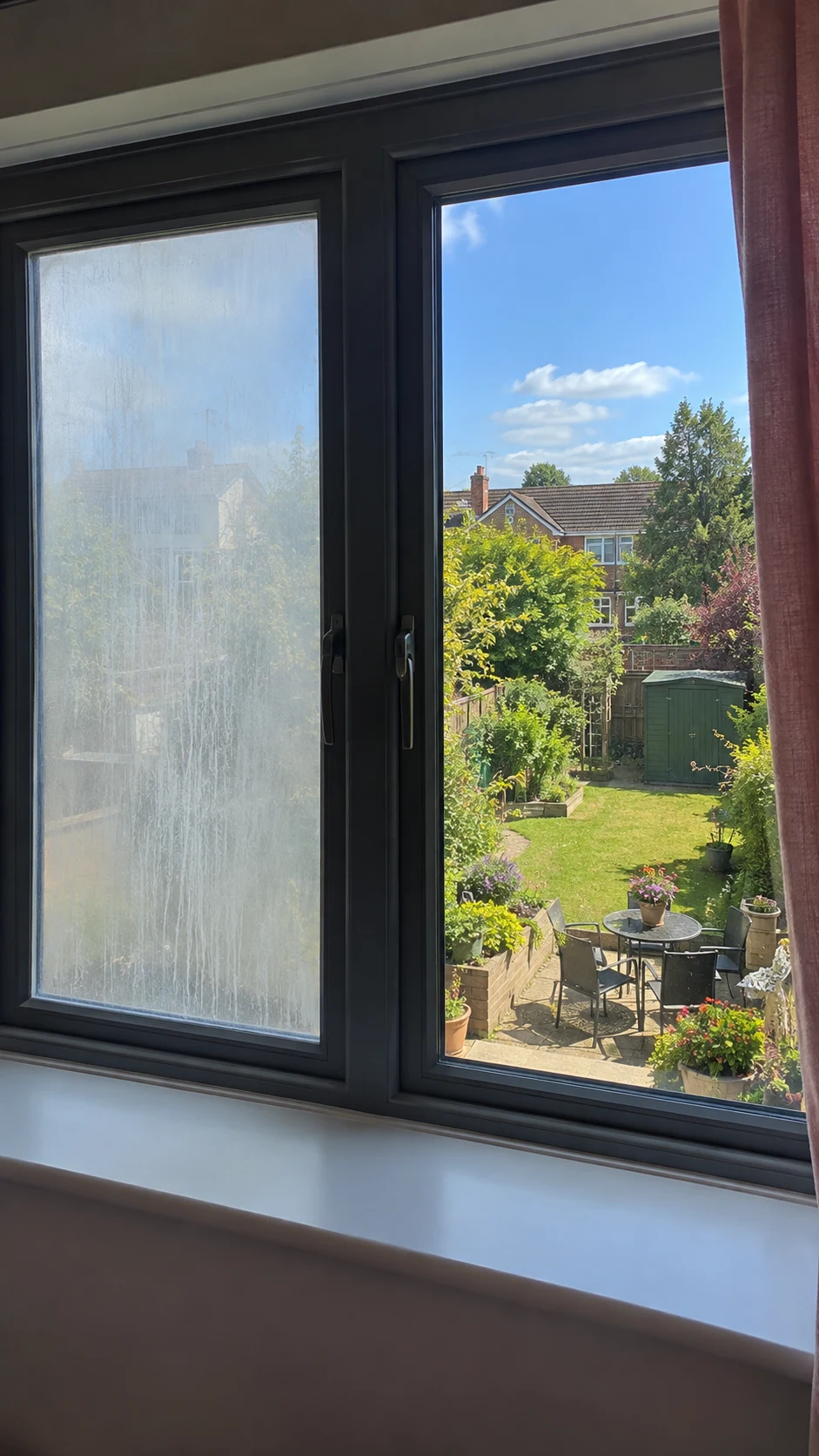
- A hazy or cloudy appearance that makes it difficult to see through the window.
- Dirt or debris visible between the panes, indicating that the seal has been breached.
- Feeling a draft around the window even when it is closed, suggesting that the insulating gap is no longer effective.
If you see any of these signs, the unit has lost its seal. The question is whether the mist can be cleared or if replacement is the only answer.
What about the window frame and hardware?
Misted glazing does not necessarily mean the window frame or its moving parts are damaged. The window hinge and window handle may still be in good working order. However, if the mist is accompanied by water ingress that has soaked the frame or the surrounding wall, you may have a bigger issue. In such cases, the window lock repair or hinge replacement might be needed as a separate job. It is worth checking the condition of the frame and the hardware separately from the glazing unit.
For homeowners in Cannock and the surrounding area, arrivalocksmiths.co.uk provides services that cover both locksmith and glazing needs. If the misted unit is part of a window that also has a faulty lock or a stiff hinge, addressing both issues at the same time can be efficient and cost-effective.
DIY attempts: what to watch out for
Some online guides suggest drilling a small hole in the spacer or the glass to let the moisture escape, then sealing the hole. This is not recommended. Drilling into the sealed unit almost always creates stress points that can lead to cracking. The hole also allows more moisture and dirt to enter, often making the problem worse. If you do manage to dry out the interior temporarily, the unit will still have no barrier against future moisture, and the mist will return.
Another approach is to use a desiccant pouch inserted through a drilled hole. This can work for a short period, but the desiccant eventually saturates, and the unit mists again. Neither method restores the thermal performance of the original sealed unit. The glass may also lose its structural integrity, particularly if the unit is large or exposed to wind loads.
When to call a professional
If you decide that replacement is the right path, a professional glazier can measure the unit, order the correct size and type of glass, and install it with the proper seals. They can also advise on whether the frame needs attention. If the frame is in good condition, a simple unit swap is usually straightforward. If the frame is rotting or the hinges are worn, the glazier may recommend replacing the whole window or at least repairing the hardware.
For those who want to explore the possibility of clearing the mist without replacement, a professional can inspect the unit and tell you whether it is a type that can be safely opened and re-sealed. They will also have the correct sealants and tools to do the job properly, if it is viable. Attempting it yourself risks breaking the glass or creating a seal that fails quickly.
Balancing cost and permanence
The decision often comes down to how long you plan to stay in the property and the condition of the rest of the window. If the window frame is sound and the misted unit is the only issue, a replacement unit is a reliable fix that will last many years. If the frame is also showing signs of age, it may be worth replacing the whole window.
In some cases, a temporary fix - such as applying a clear film over the interior of the window - can hide the mist and improve the appearance for a while. This does not solve the insulation problem, but it can buy time until you are ready to replace the unit. The film also helps reduce drafts and condensation on the interior surface, which can be a benefit in itself.
Final practical advice
If you have a misted double-glazed window, start by inspecting the seal around the edge. Look for cracks, gaps, or areas where the sealant has pulled away from the glass. Check the spacer bar for signs of corrosion. If the seal is compromised, the unit will continue to mist regardless of any temporary measure. Replacement of the sealed unit is the most reliable long-term solution.
For homeowners in Cannock and within 25 miles, arrivalocksmiths.co.uk offers glazing services that include assessment and replacement of sealed units. Even if the misted unit is part of a window with a faulty lock or hinge, a single visit can address both the glazing and the hardware issues. This saves time and ensures that the whole window operates smoothly and looks clear.
In summary, while it is technically possible to clear misted double glazing without replacing the unit in some older designs, the practical answer for most modern windows is that replacement is the only effective and safe option. The cost of a new unit is modest compared to the ongoing frustration of a foggy view and the loss of thermal efficiency. If you are unsure, have a professional inspect the window and advise on the best course of action.